

Photo: Frédéric Ducarme (CC BY-SA 4.0)
The Maldives
Baa Atoll
A UNESCO Biosphere Reserve, and the largest known gathering of manta rays
Atoll · The Maldives
Discover Baa Atoll
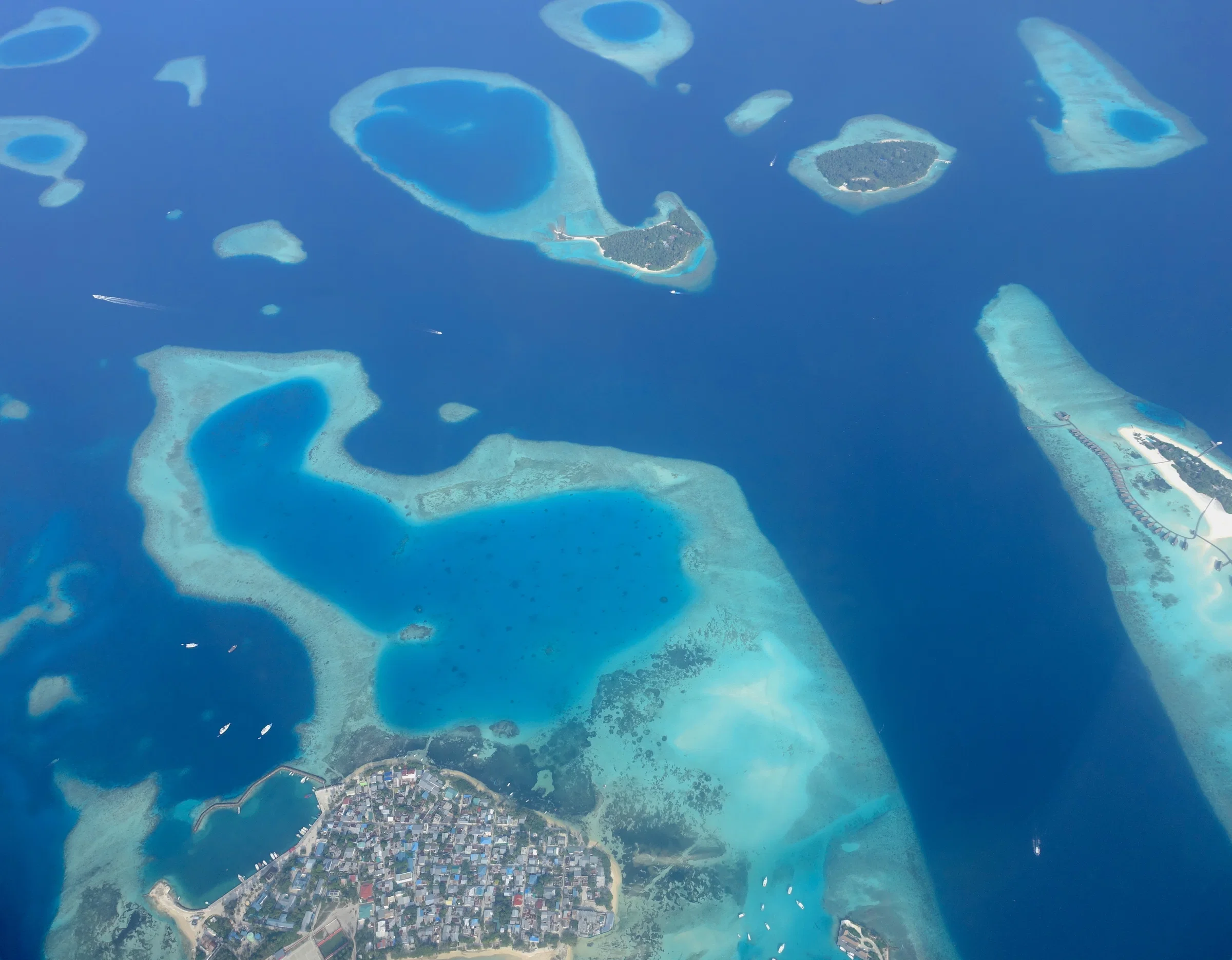
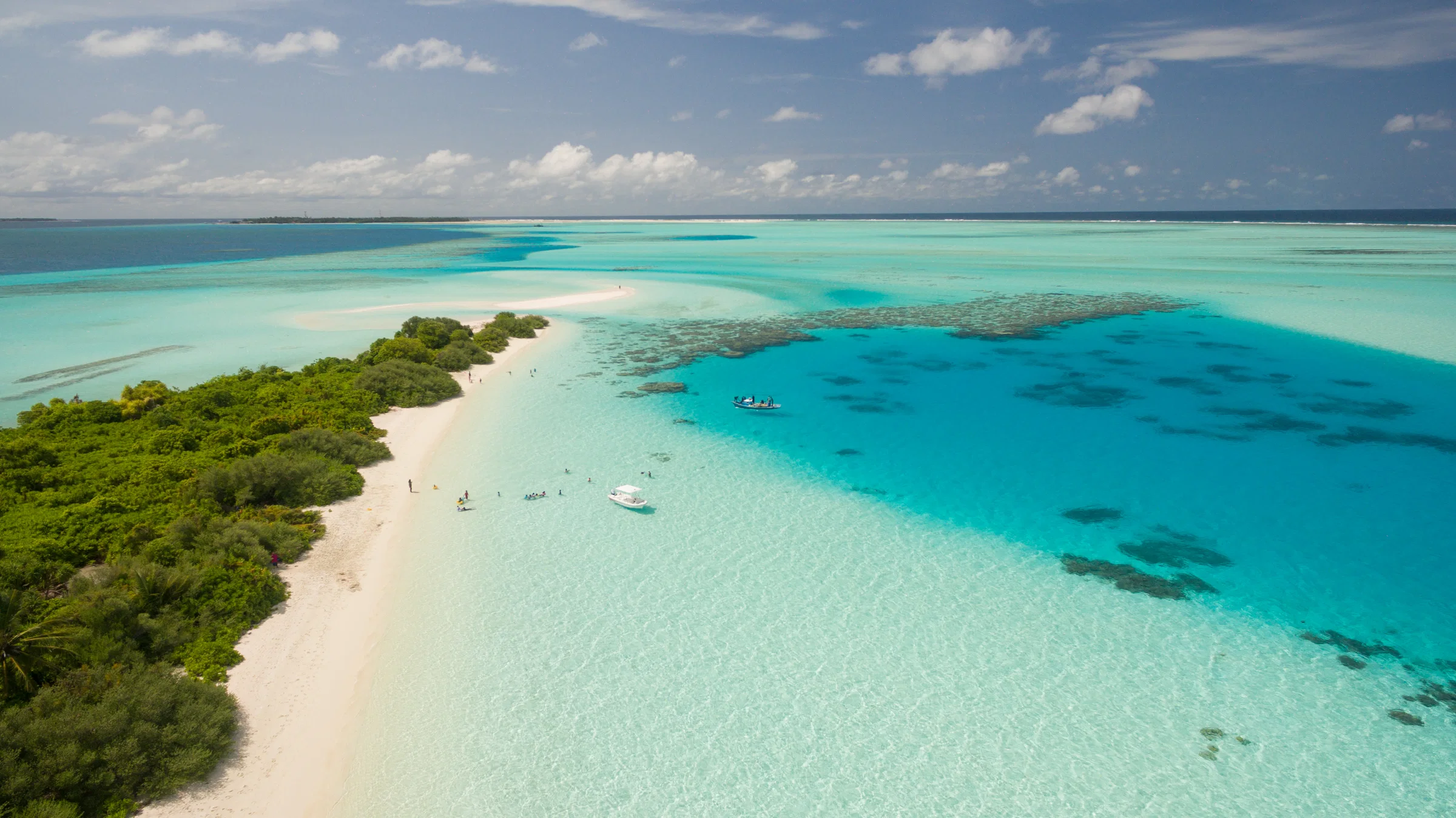
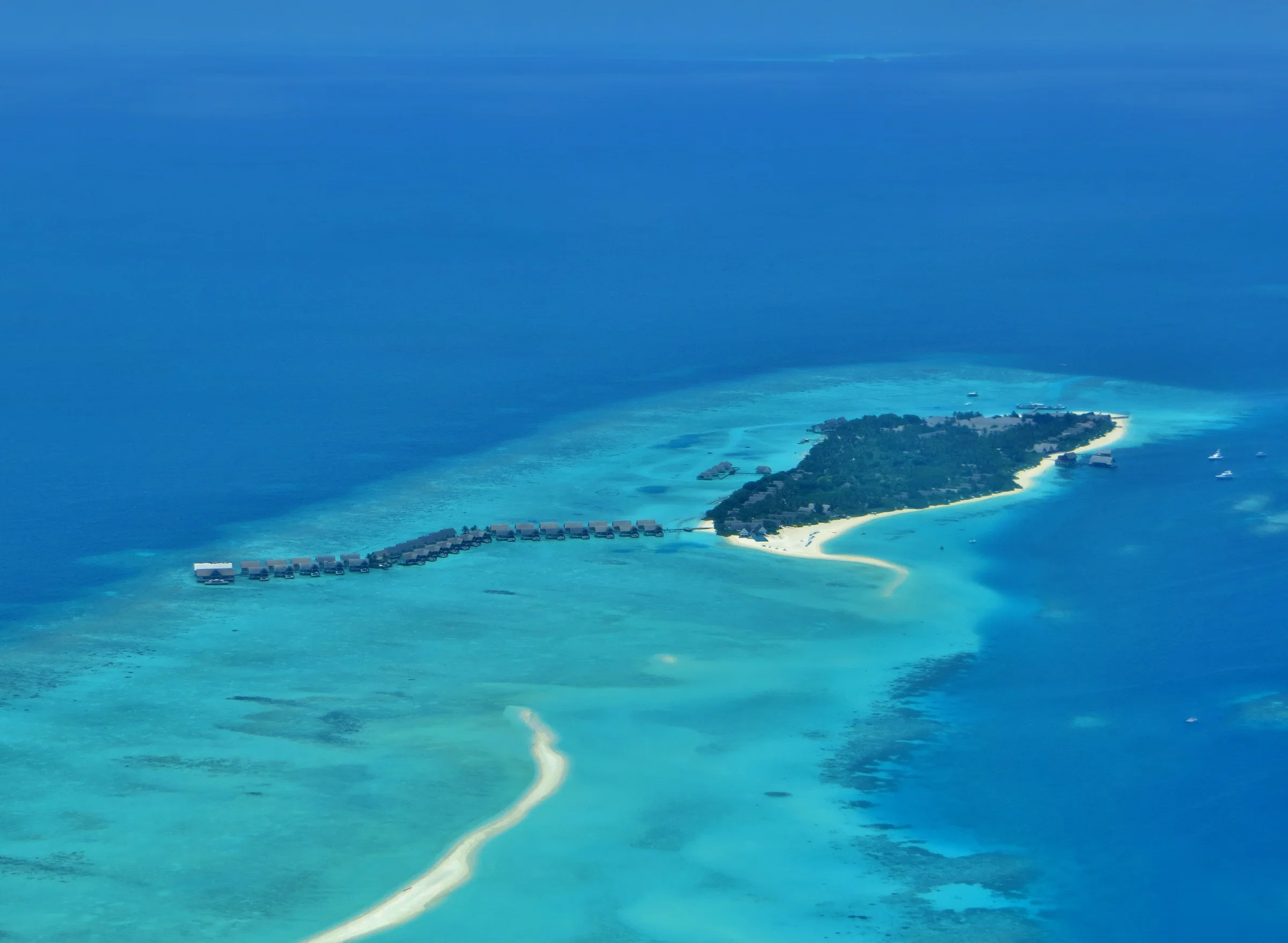
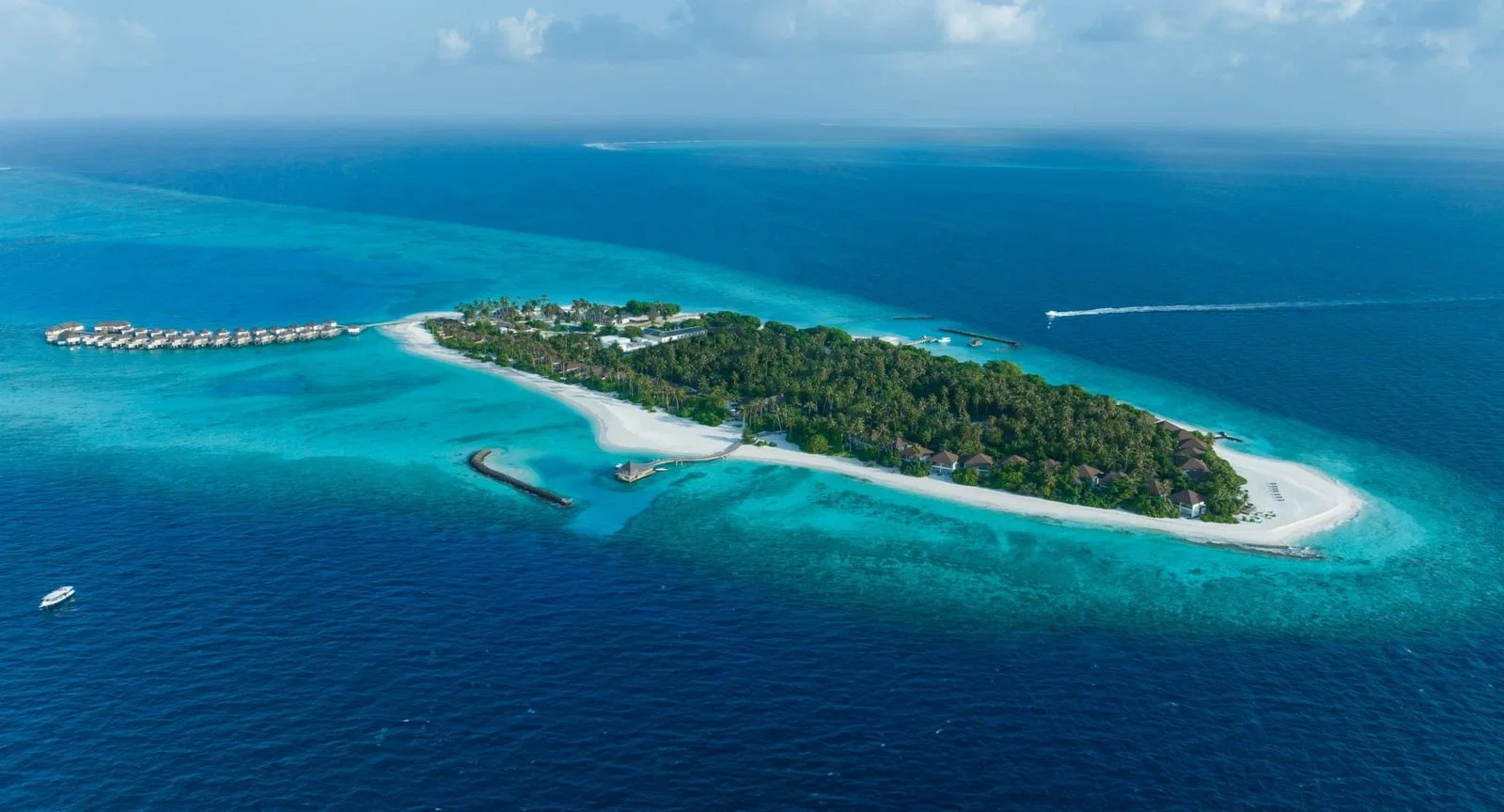
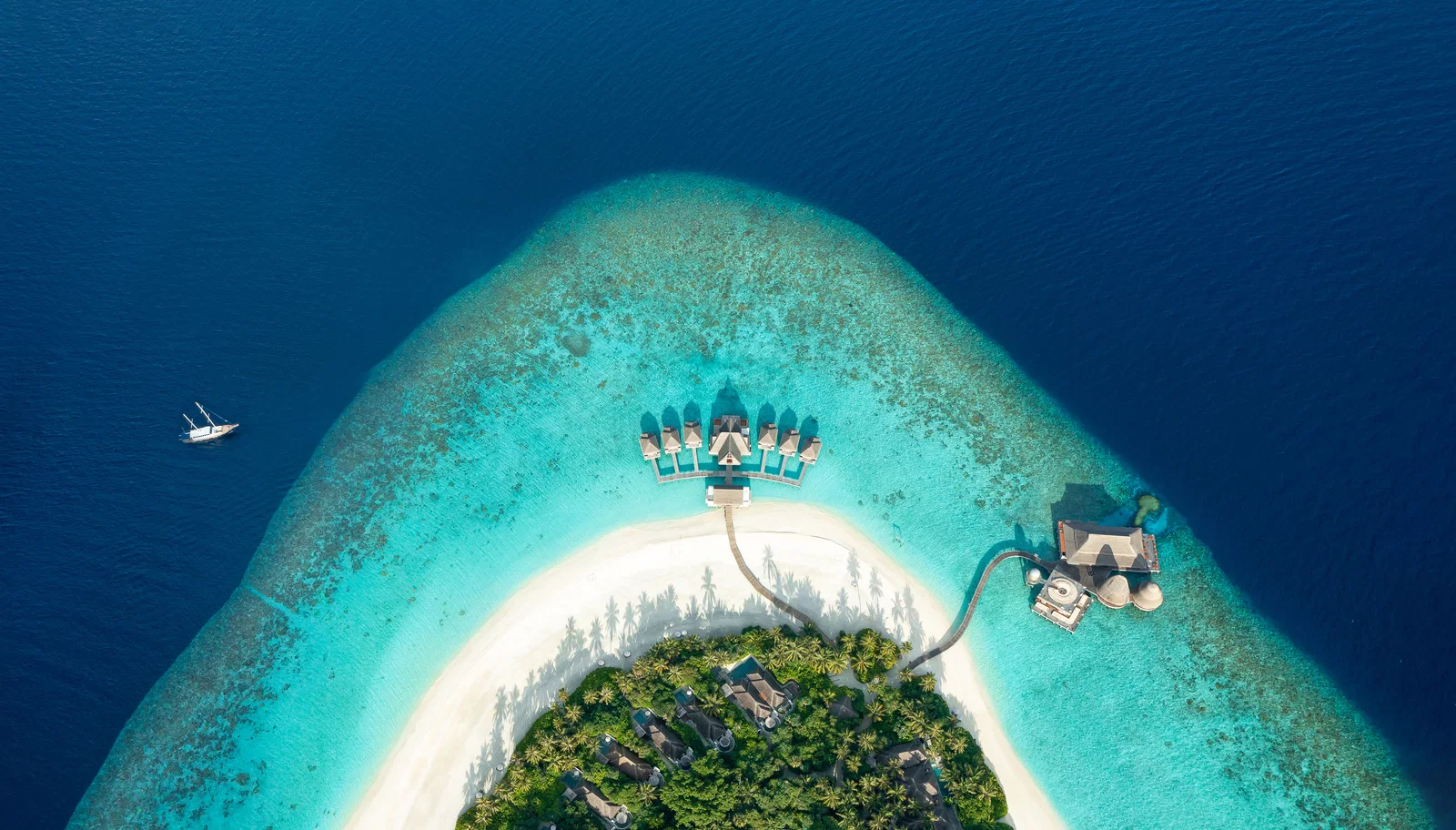
Baa Atoll was declared a UNESCO Biosphere Reserve in June 2011, the first in the Maldives. It has about 75 islands and lies on the western side of the chain, 30 to 40 minutes from Malé by seaplane. It is a nature reserve rich in rare marine life, and known for its sunsets over an open horizon.
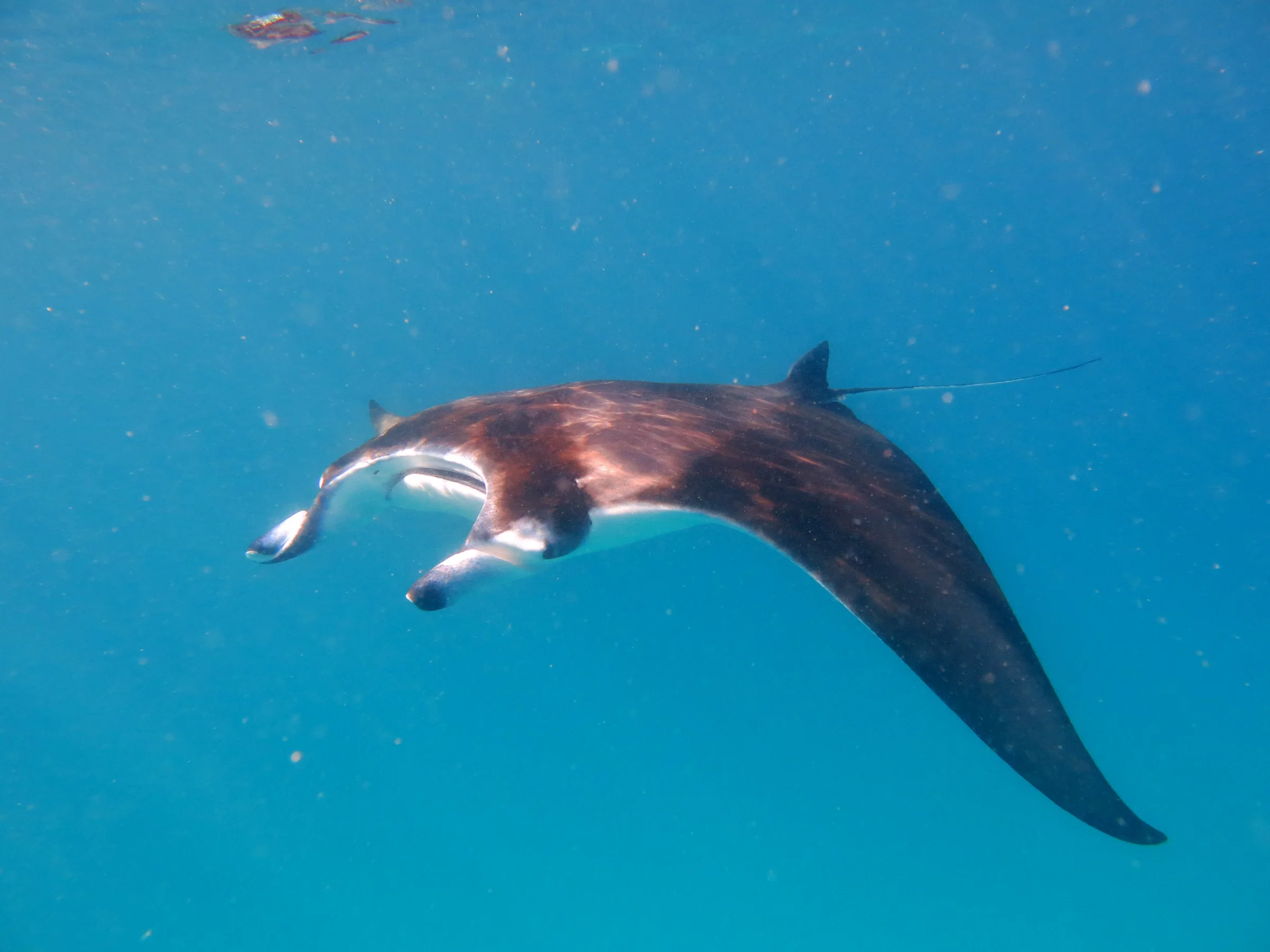
Its jewel is Hanifaru Bay, a small inlet in the reef where the tide pushes plankton in and the manta rays follow to feed; on strong days there can be more than a hundred, and whale sharks come too. The season runs roughly from June to November, peaking in the middle. Visits are by snorkel only, scuba is not allowed, and each session is limited to 45 minutes with a certified guide, under the eye of the reserve's rangers.
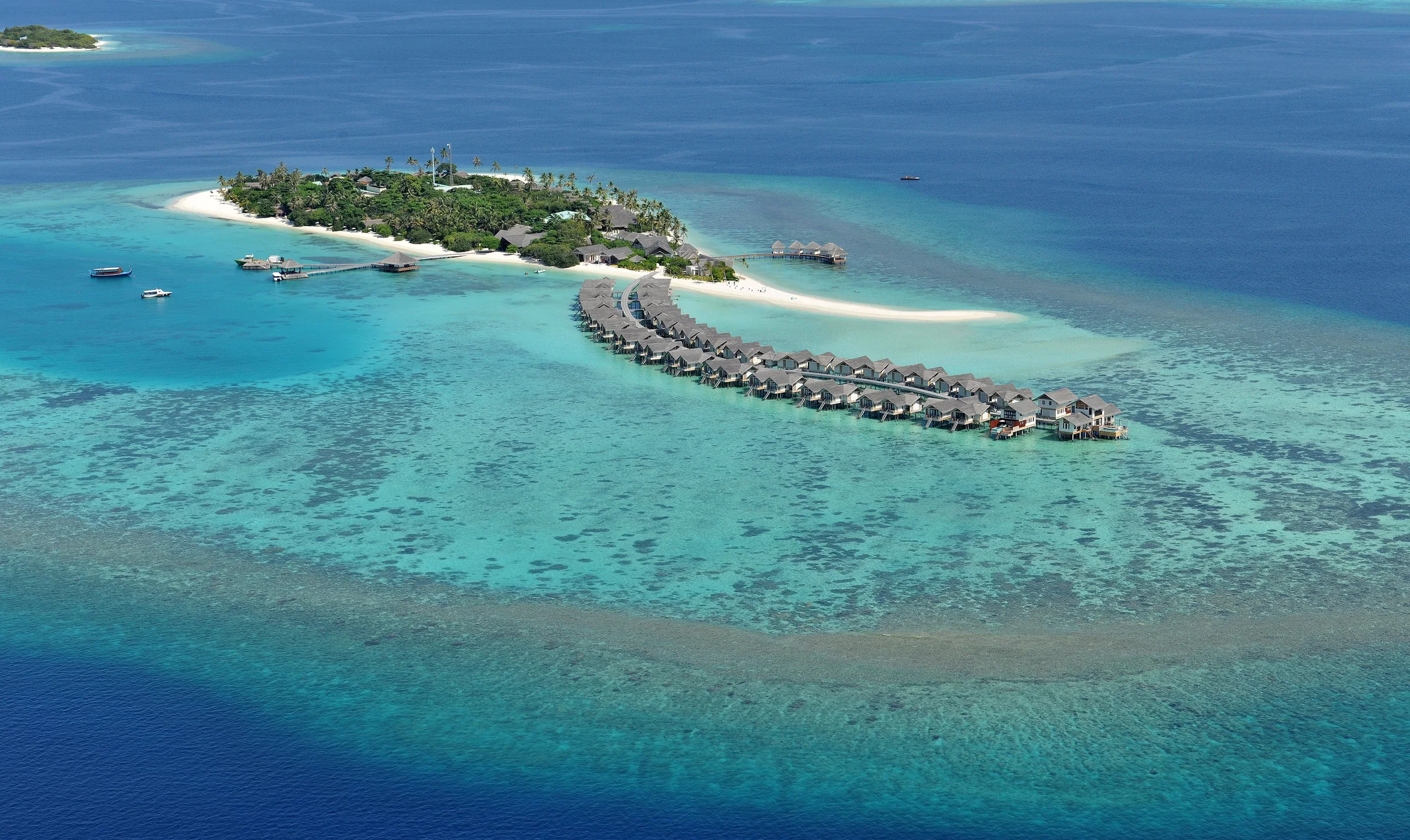
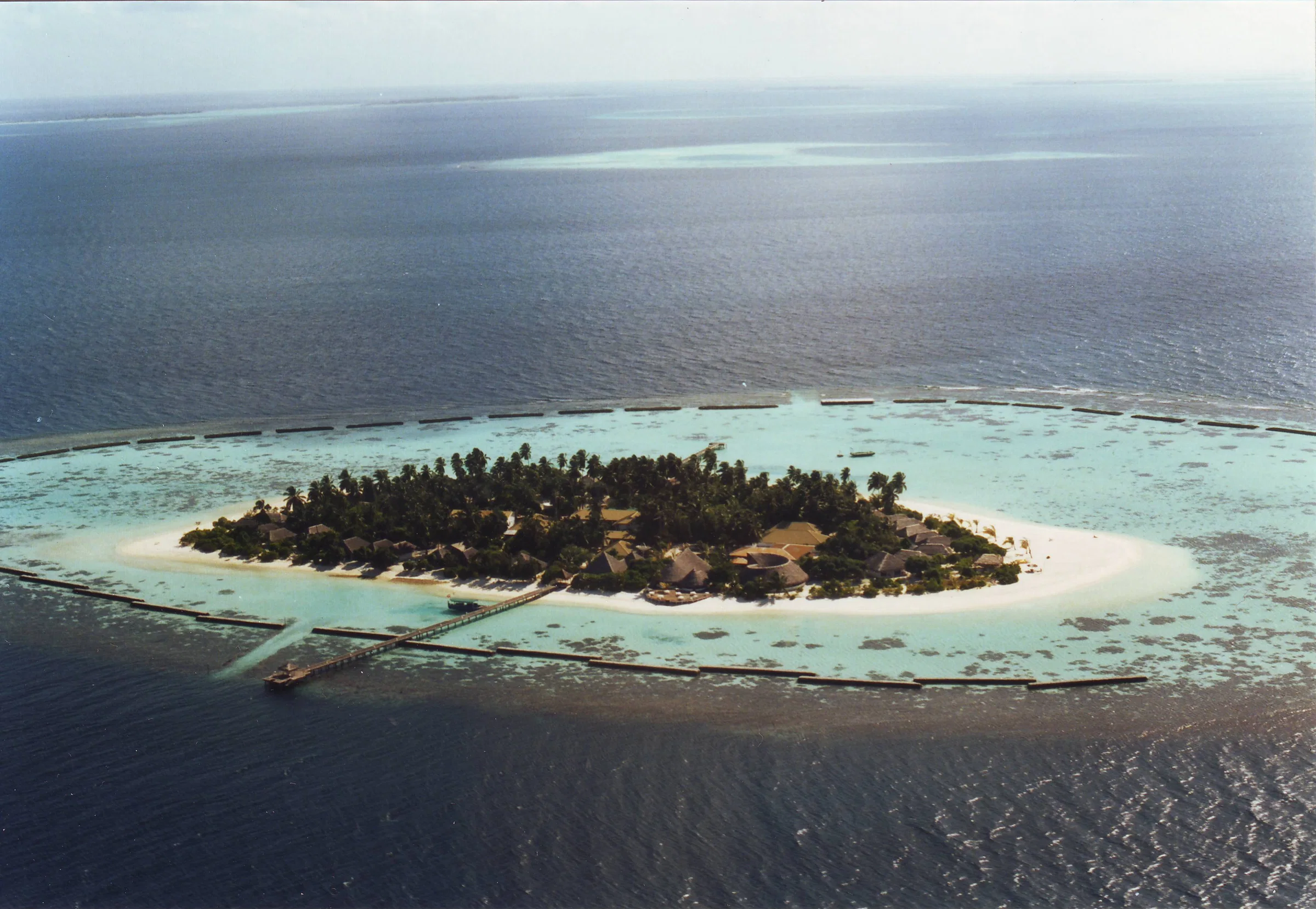
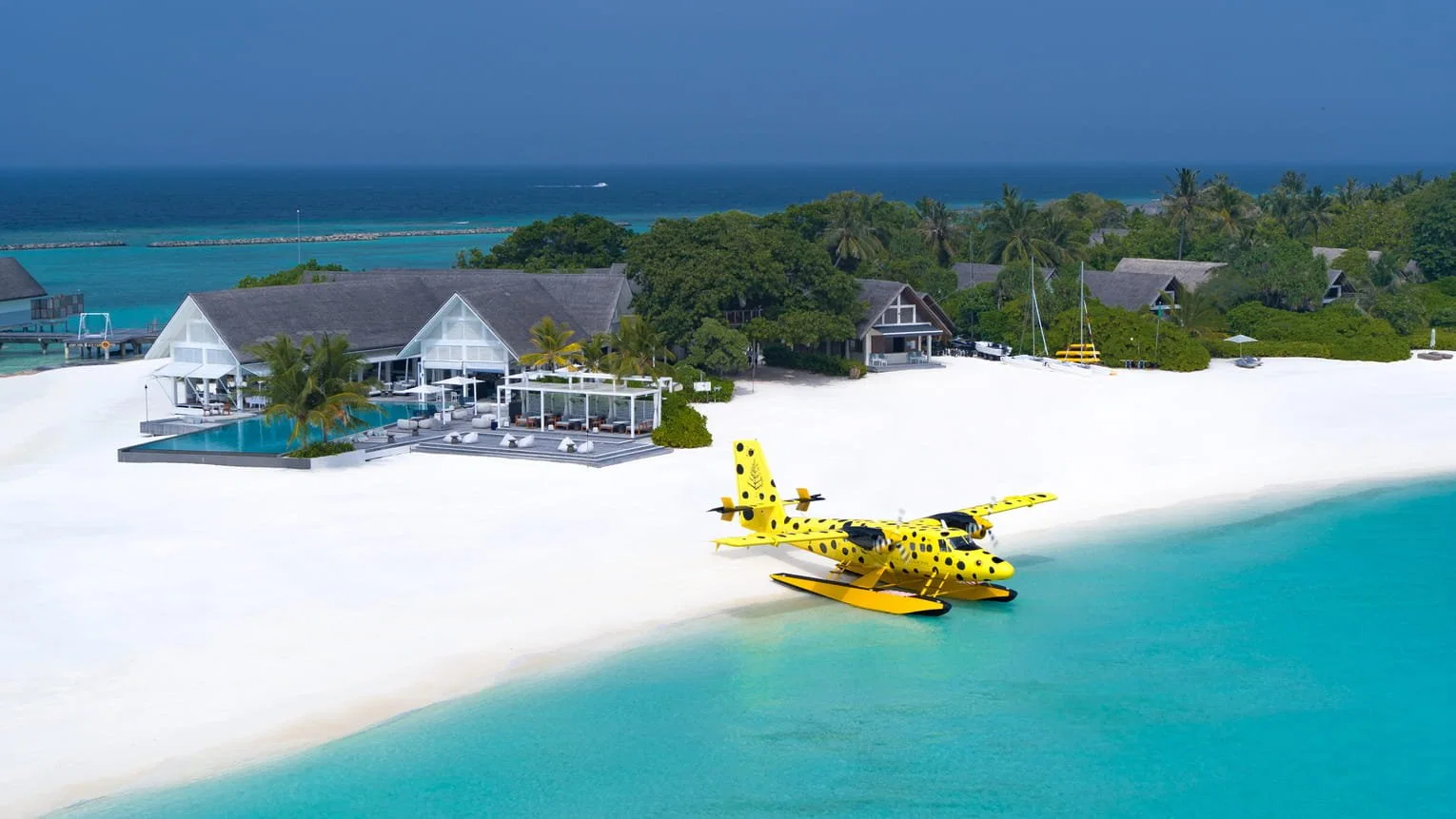
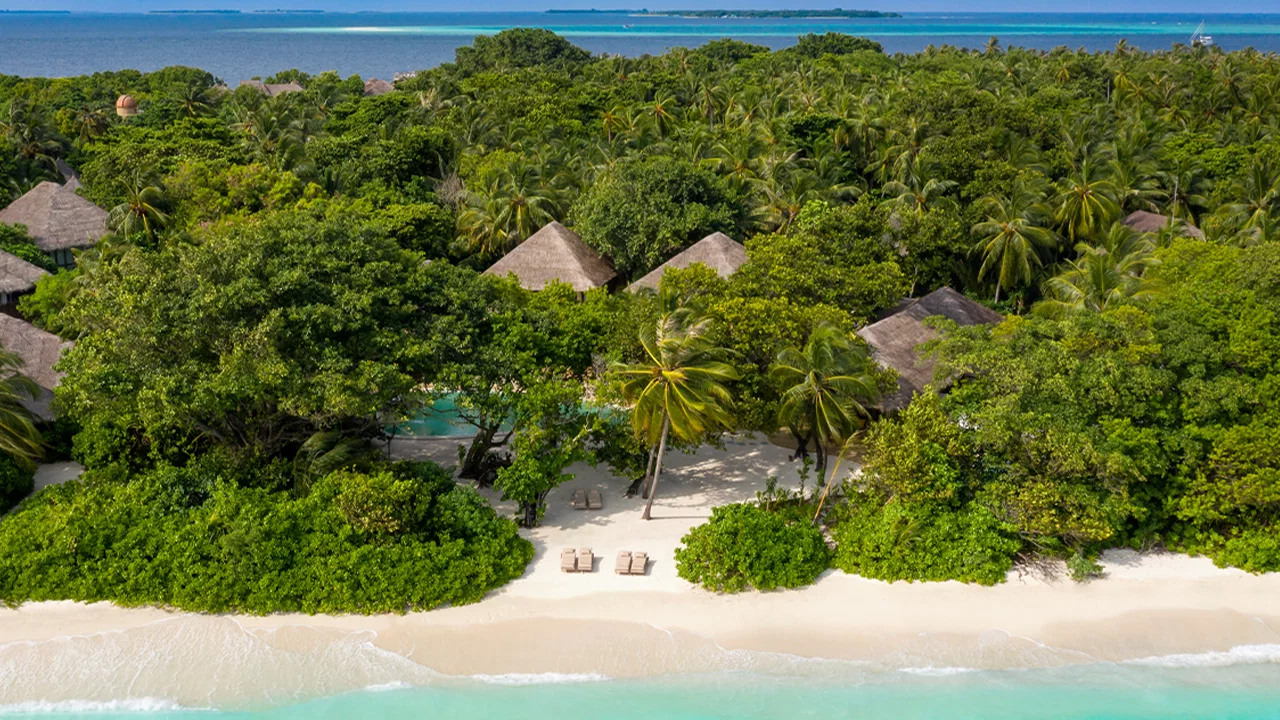
The atoll holds some of the finest resorts in the Maldives: Anantara Kihavah, with SEA, its restaurant beneath the surface; Four Seasons Landaa Giraavaru, whose marine biologists track the mantas for guests; Soneva Fushi, the first Soneva, on one of the largest untouched islands; AVANI+ Fares, minutes from Hanifaru; and Seaside Finolhu, whose name means sandbank in Dhivehi.
On land there is an old craft: lacquered wooden ware made on Thulhaadhoo, where you can watch the artisans at work. Outside the manta season, from December to April, the sea is calmer and the water clearer.
Where to stay
Stays in this region





The Maldives